Category: Uncategorized

  • A Tree Fell on Your House

    A Tree Fell on Your House

    Here’s Exactly What Happens Next.

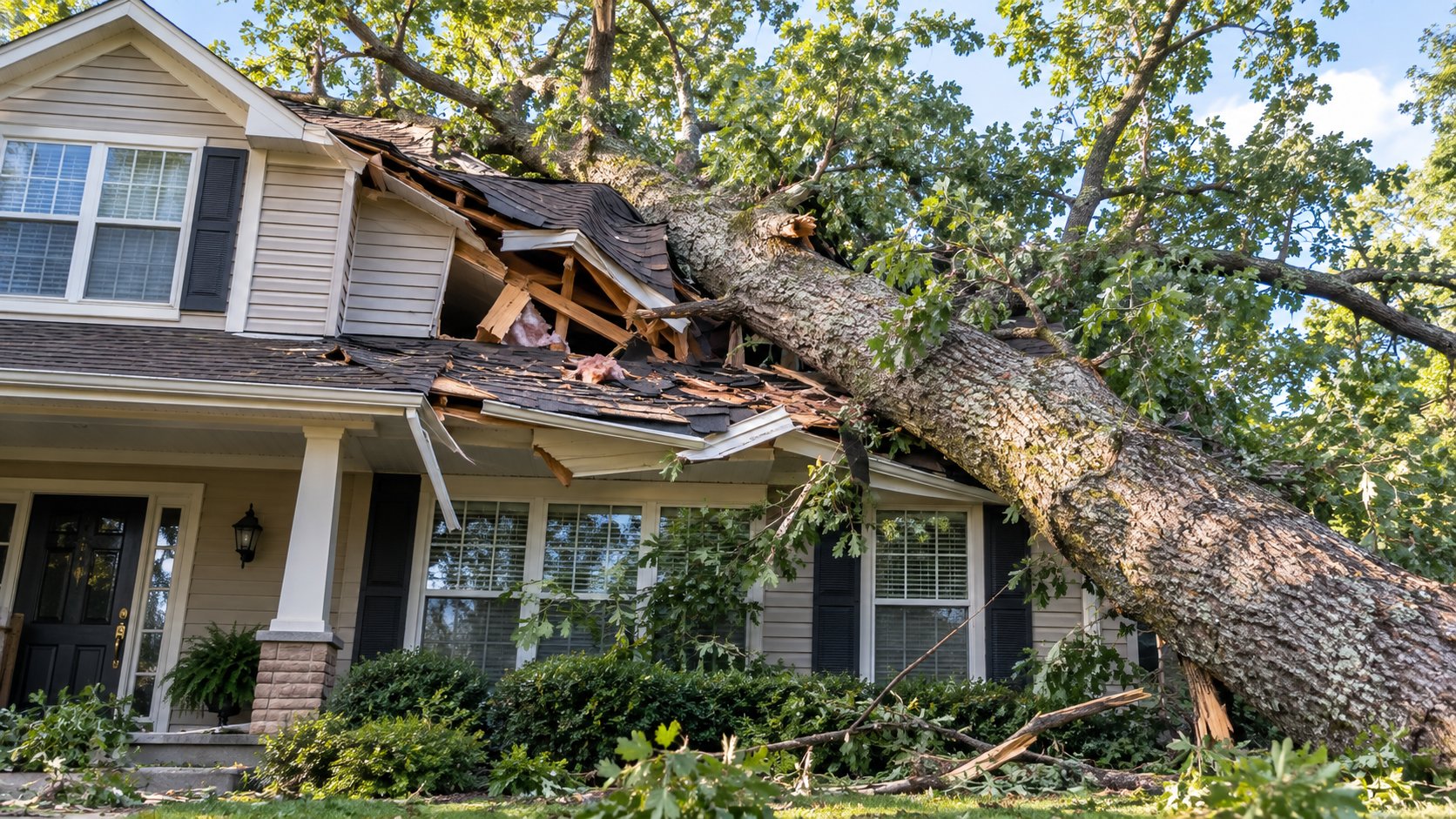
    It happens fast. A storm rolls through, a limb gives way, or a
    whole tree comes down across the roof — and suddenly you’re
    standing in your yard at 7pm trying to figure out who you’re
    even supposed to call.

    Here’s the order that actually gets this
    handled, fast and right.


    1. Call Your Insurance Company First — Before the
    Contractor

    Tree damage from a storm is almost always covered under
    standard homeowners insurance, but the claim starts with you,
    not the contractor. Call your insurer the same day, take photos of
    the damage from multiple angles before anything is moved, and
    get a claim number. Contractors can work faster and bid more
    accurately once there’s a claim number to reference.
    tree-fell-on-house
    Tree Fell On House

    2. Get a Contractor Out the Same Day for a Bid

    Don’t wait days for an estimate — a reputable local contractor
    should be able to assess the damage and give you a same-day or
    next-day bid, especially if there’s active water intrusion. If a roof
    is open to the weather, ask specifically about emergency tarping
    before the full repair bid, since that’s a separate, faster first step.


    3. The Demolition and Debris Plan


    Tree removal and debris haul-off usually happens before any
    structural repair begins. Ask your contractor directly: who’s
    removing the tree, is that included in the bid or a separate crew,
    and what’s the timeline for getting the debris off the property so
    repair work can start.

    4. Materials and Timeline


    Once the damage is assessed, ask for a materials list and realistic
    timeline up front — especially for roofing materials that may
    need to be special-ordered to match your existing roof. A
    contractor who gives you a vague timeline is one to be cautious
    of; a specific one (even if it’s a range) means they’ve actually
    thought through the job.


    5. Permits and Inspections


    Structural repairs — especially anything involving the roof
    deck, framing, or load-bearing walls — typically require a
    permit. Ask your contractor whether they’re pulling the permit
    and scheduling the inspection, or whether that’s on you. This is
    one of the most common places homeowners get surprised later,
    so get it in writing up front.

    The Bottom Line


    Insurance first, same-day bid second, then demolition, materials,
    and permits in sequence. A contractor who can walk you through
    all five of these clearly, on the first call, is the one who’s done
    this before.

    If You’re a Contractor Reading This


    This is exactly the kind of question a panicked homeowner is
    typing into Google the moment a tree comes down — and
    whoever’s Google Business Profile shows up first for “tree fell
    on my house what do I do” and similar searches gets that call. If
    your profile isn’t set up to be that business, that’s exactly what
    we fix.

    How To Get Started.

    Click Here to Schedule a Free Audit

    Find out what’s costing you calls.
  • Air Conditioning Not Cooling?

    Air Conditioning Not Cooling?

    A.C. Not Cooling? 

    Here’s What’s Actually Going Wrong (and What to Check Before You Call)

    Your AC is running — you can hear it — but the air coming out isn’t cold, or the house just won’t drop below 80. Before you assume the whole system is dying, here’s what’s actually behind most “AC not cooling” calls, in the order worth checking.

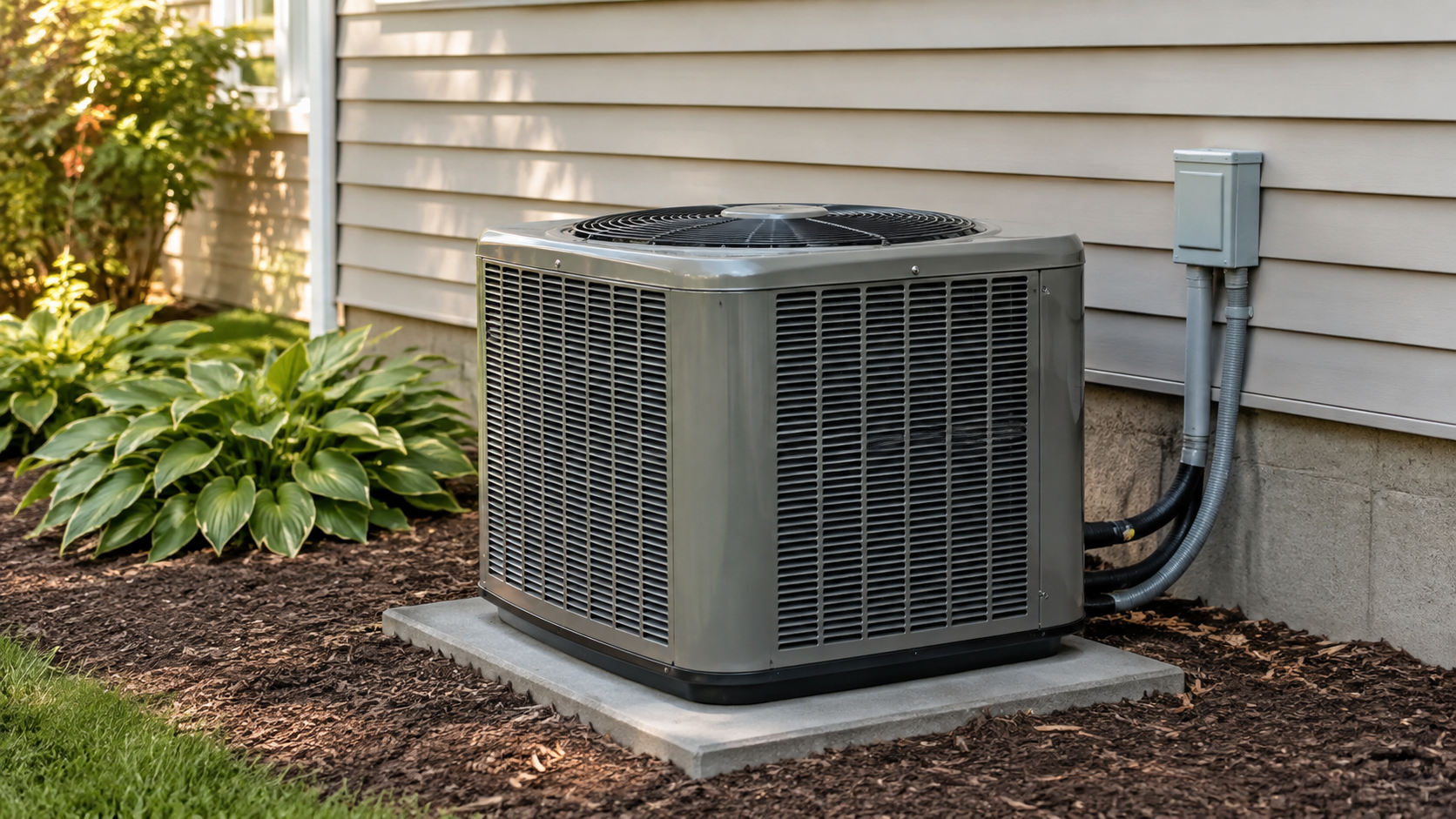
    hvac-image
    HVAC Image

    1. The Outdoor Unit Is Dirtier Than You Think

    The condenser unit outside has to move air freely across its coils to release heat — and outdoor units in Florida collect more than just dust. Spider webs, wasp nests, grass clippings, and general yard debris build up in and around the fins and electrical components surprisingly fast.

    When airflow through the coil is blocked, the system has to work harder and often can’t cool effectively no matter how well everything else is running. This is one of the simplest things to check yourself — a visual look at the outdoor unit takes two minutes.

    2. A Dirty Air Filter Indoors

    A clogged filter restricts airflow just as much as a dirty outdoor coil, just on the inside. If you can’t remember the last time it was changed, that’s probably the first fix — cheap, fast, and it solves a surprising number of “not cooling” complaints on its own. 

    3. Low Refrigerant From a Leak

    Unlike fuel, refrigerant doesn’t get “used up” — if your system is low, it’s leaking somewhere. This one isn’t a DIY fix; it requires a licensed technician to locate the leak, repair it, and recharge the system properly.

    4. A Frozen Evaporator Coil

    This is the one I’ve dealt with more times than I’d like on my own six-year-old system, and it usually comes from one of two places — sometimes both at once.

    A dirty air filter restricts the warm air reaching the coil, so the coil’s surface drops below freezing and moisture on it turns to ice instead of draining off. Separately, a clogged condensate drain line backs up water around the coil, which freezes for the same basic reason. Neglected systems tend to develop both problems together, which is exactly why I fix both at the same time now instead of guessing which one it was.

    Here’s what’s worked for me every time:

    • turn the system off completely and let it thaw for about an hour.
    • While it’s off, replace the air filter, and
    • hook a shop vac up to the condensate drain line outside the house and run it for about 20 minutes to pull out the buildup — a little duct tape around the connection keeps the seal tight if needed.
    • Once the filter’s changed and the drain line is clear, turn the system back on. Temperature usually starts dropping within 30-45 minutes, and it’s back to running normally within about an hour.

    Now I change the filter and clear the drain line together every month, and I haven’t had it freeze up since. The real key is not letting dirt and debris build up in that drain line in the first place — that’s what causes it to back up and freeze on you.

    One caution: if the coil is heavily iced over, it can take much longer to thaw — up to 24 hours in bad cases — so don’t force the system back on before it’s fully clear, since running it against a block of ice can strain the compressor.

    5. A Clogged Drain Line — Without Ice

    Sometimes a clogged condensate line shows up differently than the frozen-coil scenario above — no ice at all, just water pooling near the indoor unit or dripping from the ceiling, because the line is backed up but the coil hasn’t frozen yet. Same fix as above (clear the line), but don’t ignore it just because nothing’s frozen — a slow leak causes water damage and mold long before it ever gets bad enough to ice over.

    6. Electrical or Capacitor Failure

    Sometimes the system won’t turn on at all, or turns on and off rapidly (short-cycling). This usually points to a failing capacitor or an electrical issue — not something to troubleshoot yourself, especially paired with any burning smell, which means stop and call immediately.

    When It’s a True Emergency

    • Burning or electrical smell from the unit
    • Loud banging or grinding sounds
    • No cooling at all when the heat index is dangerous, especially with kids or elderly in the home
    • Water actively leaking inside from the unit

    The Bottom Line

    Check the outdoor unit for debris and the filter for buildup first — those two solve more “AC not cooling” situations than people expect. Everything past that (refrigerant, frozen coils, electrical) needs a licensed technician, and on a genuinely hot day, that’s not something to put off.

    If You’re an HVAC Contractor Reading This

    “AC not cooling” and “same-day AC repair” are searched constantly, and they spike hard the moment a system fails on a hot day — which means whoever’s Google Business Profile is set up to catch that moment gets the call. If that’s not reliably you right now, that’s exactly what we fix.

    How To Get Started.

    Click Here to Schedule a Free Audit

    Find out what’s costing you calls.
  • Why Electrical Shorts Are More Common in Florida

    Why Electrical Shorts Are More Common in Florida

    Why Electrical Shorts Are More Common in Florida — And How to Stop Them Before They Start a Fire

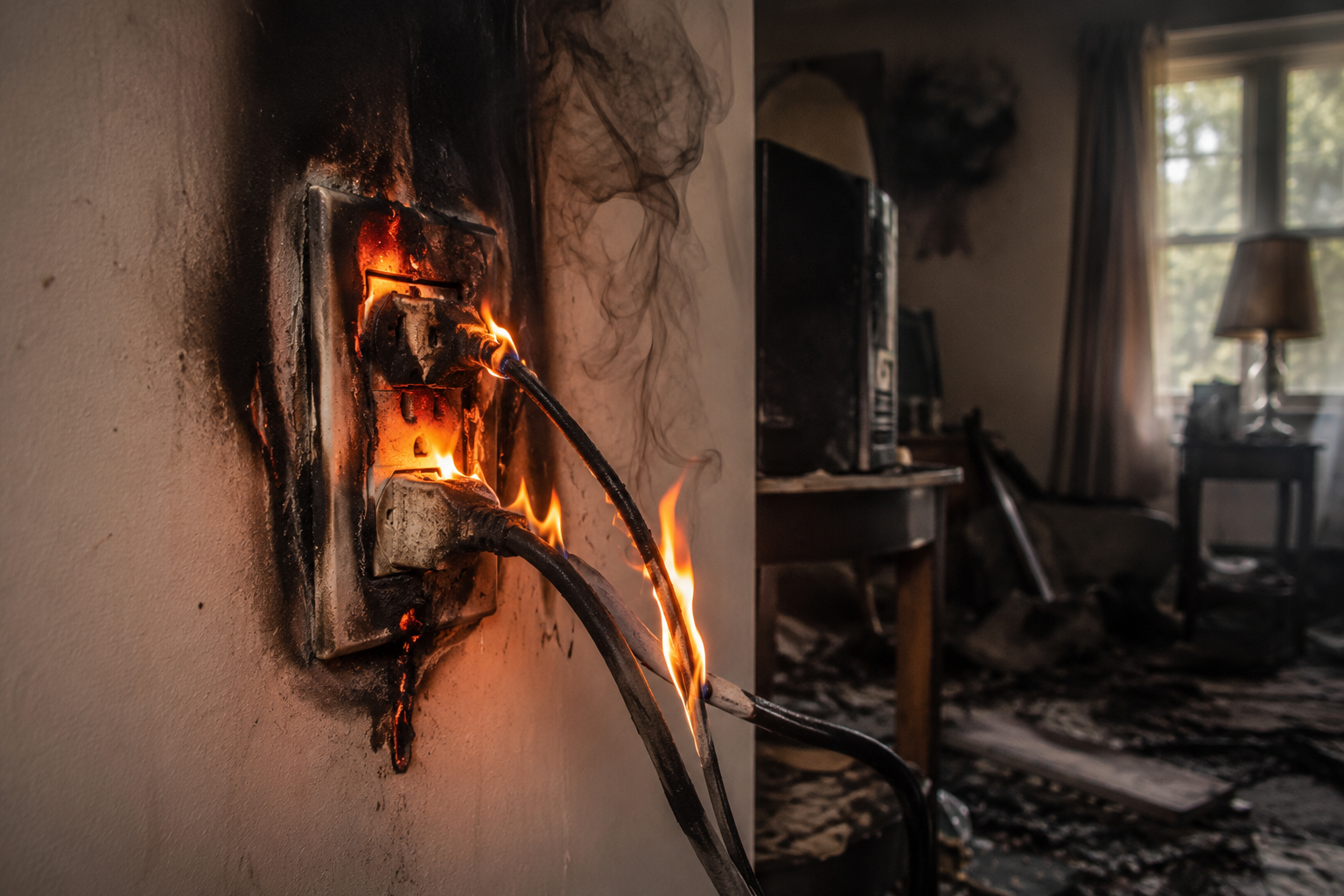
    I never had to think about electrical contact oxidation until I moved into a humid environment. It’s not something that comes up in a drier climate — but here, it’s one of the most common, least-talked-about fire risks sitting quietly behind outlets and panels in almost every home.

    What’s Actually Happening

    It’s not the humidity itself that’s dangerous — it’s what humidity does to metal over time. Moisture in the air reacts with the metal contacts inside outlets, breakers, and panel connections, forming a thin oxidized layer. That layer isn’t a good conductor. As it builds up, it increases electrical resistance at the connection point.

    Higher resistance means more heat every time current passes through. More heat means arcing. Arcing is what starts fires. This isn’t a cosmetic issue — a corroded connection is a slow-building fire hazard, even when everything looks fine from the outside.

    electrical-fire

    Why This Hits Florida Homes Harder

    • Florida’s humidity regularly sits between 70-90%, giving moisture constant opportunity to reach electrical contacts
    • Salt air near the coast is conductive and chemically aggressive toward metal, accelerating corrosion well beyond what inland homes experience
    • Outdoor outlets and fixtures are especially exposed — sun and UV exposure make outdoor outlet covers brittle over time, and cracked plastic lets moisture reach the contacts even faster
    • Older aluminum panels are particularly vulnerable — aluminum forms an oxide layer that actively insulates rather than conducts, which is a serious problem inside a panel meant to carry current safely

    Warning Signs Worth Taking Seriously

    • Outlets that spark when you plug something in
    • Breakers that trip without an obvious cause
    • Flickering lights, especially outdoors or after rain
    • A burning smell near an outlet, switch, or panel
    • Discolored or warm-to-the-touch outlet covers

    Regular Maintenance That Actually Prevents This

    • A routine electrical inspection every 1-2 years catches corrosion while it’s still a cheap fix, not an emergency
    • Weather-resistant, GFCI-protected outlets for anything outdoors or in damp areas (garage, laundry, bathrooms)
    • Proper sealing on outdoor fixtures and panel enclosures to keep moisture from reaching contacts in the first place
    • If your panel is original to a home built decades ago — especially an aluminum panel — it’s worth having it evaluated. Panels that would last fifty years in a dry climate wear out much faster here

    The Bottom Line

    This isn’t about being alarmist — it’s about understanding that Florida’s climate puts a real, ongoing demand on your home’s electrical system that homes in drier climates simply don’t face. A little regular attention catches this early. Ignoring it doesn’t make it go away; it just makes the eventual fix more expensive, or worse.

    If You’re an Electrical Contractor Reading This

    This is exactly the kind of search a Florida homeowner runs the moment they notice a spark or a warm outlet cover — and it’s a search happening constantly, not just after a storm. If your Google Business Profile isn’t the one showing up when that search happens, that’s exactly what we fix.

    How To Get Started.

    Click Here to Schedule a Free Audit

    Find out what’s costing you calls.