A.C. Not Cooling?
Here’s What’s Actually Going Wrong (and What to Check Before You Call)
Your AC is running — you can hear it — but the air coming out isn’t cold, or the house just won’t drop below 80. Before you assume the whole system is dying, here’s what’s actually behind most “AC not cooling” calls, in the order worth checking.
 HVAC Image
1. The Outdoor Unit Is Dirtier Than You Think
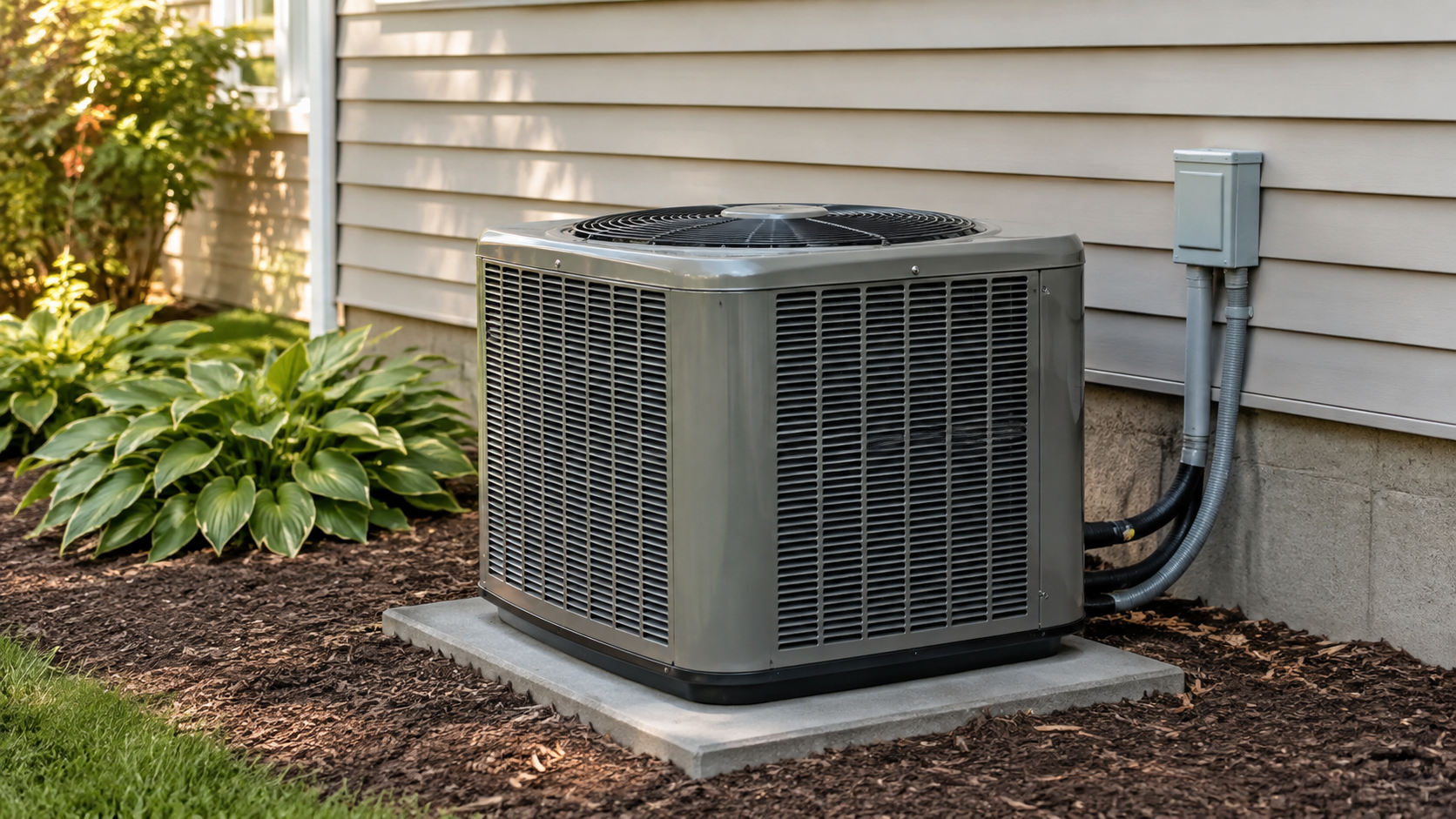
The condenser unit outside has to move air freely across its coils to release heat — and outdoor units in Florida collect more than just dust. Spider webs, wasp nests, grass clippings, and general yard debris build up in and around the fins and electrical components surprisingly fast.
When airflow through the coil is blocked, the system has to work harder and often can’t cool effectively no matter how well everything else is running. This is one of the simplest things to check yourself — a visual look at the outdoor unit takes two minutes.
2. A Dirty Air Filter Indoors
A clogged filter restricts airflow just as much as a dirty outdoor coil, just on the inside. If you can’t remember the last time it was changed, that’s probably the first fix — cheap, fast, and it solves a surprising number of “not cooling” complaints on its own.
3. Low Refrigerant From a Leak
Unlike fuel, refrigerant doesn’t get “used up” — if your system is low, it’s leaking somewhere. This one isn’t a DIY fix; it requires a licensed technician to locate the leak, repair it, and recharge the system properly.
4. A Frozen Evaporator Coil
This is the one I’ve dealt with more times than I’d like on my own six-year-old system, and it usually comes from one of two places — sometimes both at once.
A dirty air filter restricts the warm air reaching the coil, so the coil’s surface drops below freezing and moisture on it turns to ice instead of draining off. Separately, a clogged condensate drain line backs up water around the coil, which freezes for the same basic reason. Neglected systems tend to develop both problems together, which is exactly why I fix both at the same time now instead of guessing which one it was.
Here’s what’s worked for me every time:
- turn the system off completely and let it thaw for about an hour.
- While it’s off, replace the air filter, and
- hook a shop vac up to the condensate drain line outside the house and run it for about 20 minutes to pull out the buildup — a little duct tape around the connection keeps the seal tight if needed.
- Once the filter’s changed and the drain line is clear, turn the system back on. Temperature usually starts dropping within 30-45 minutes, and it’s back to running normally within about an hour.
Now I change the filter and clear the drain line together every month, and I haven’t had it freeze up since. The real key is not letting dirt and debris build up in that drain line in the first place — that’s what causes it to back up and freeze on you.
One caution: if the coil is heavily iced over, it can take much longer to thaw — up to 24 hours in bad cases — so don’t force the system back on before it’s fully clear, since running it against a block of ice can strain the compressor.
5. A Clogged Drain Line — Without Ice
Sometimes a clogged condensate line shows up differently than the frozen-coil scenario above — no ice at all, just water pooling near the indoor unit or dripping from the ceiling, because the line is backed up but the coil hasn’t frozen yet. Same fix as above (clear the line), but don’t ignore it just because nothing’s frozen — a slow leak causes water damage and mold long before it ever gets bad enough to ice over.
6. Electrical or Capacitor Failure
Sometimes the system won’t turn on at all, or turns on and off rapidly (short-cycling). This usually points to a failing capacitor or an electrical issue — not something to troubleshoot yourself, especially paired with any burning smell, which means stop and call immediately.
When It’s a True Emergency
- Burning or electrical smell from the unit
- Loud banging or grinding sounds
- No cooling at all when the heat index is dangerous, especially with kids or elderly in the home
- Water actively leaking inside from the unit
The Bottom Line
Check the outdoor unit for debris and the filter for buildup first — those two solve more “AC not cooling” situations than people expect. Everything past that (refrigerant, frozen coils, electrical) needs a licensed technician, and on a genuinely hot day, that’s not something to put off.
If You’re an HVAC Contractor Reading This
“AC not cooling” and “same-day AC repair” are searched constantly, and they spike hard the moment a system fails on a hot day — which means whoever’s Google Business Profile is set up to catch that moment gets the call. If that’s not reliably you right now, that’s exactly what we fix.
How To Get Started.
Click Here to Schedule a Free Audit
Find out what’s costing you calls.
Leave a Reply